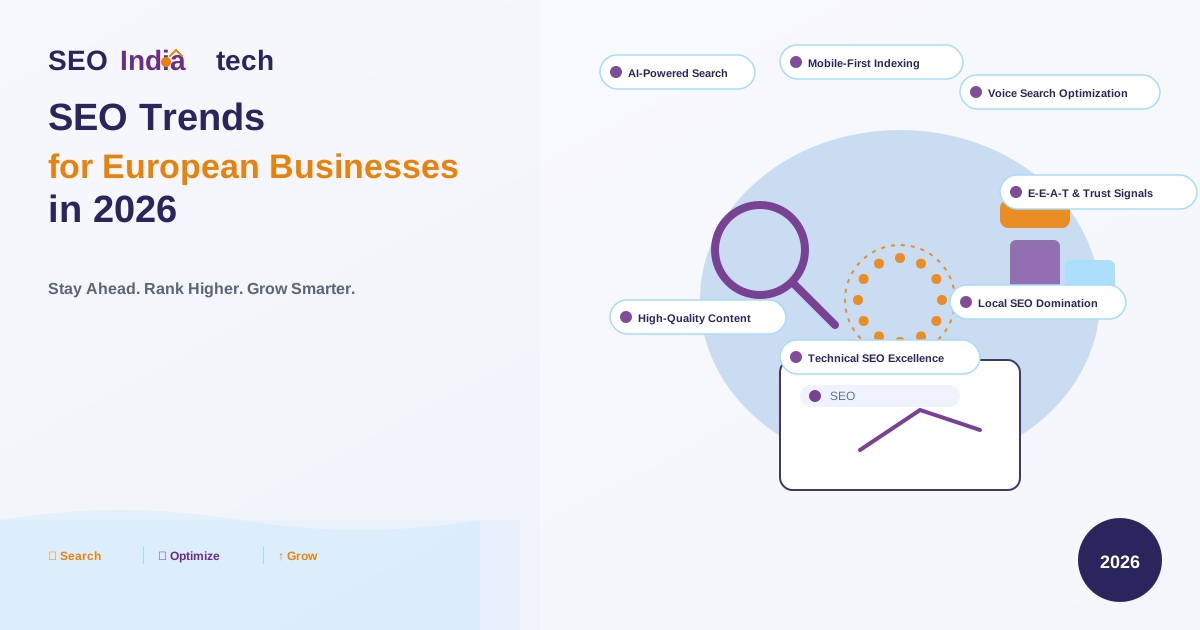
If you run a business in Europe, you have probably noticed search results look different than they did even a year ago. AI summaries sit at the top, local map packs matter more than ever, and customers research in multiple languages before they buy. SEO in 2026 is less about chasing a single keyword and more about being the clearest, most trusted answer in your market.
This guide breaks down the SEO trends shaping Germany, the UK, France, the Netherlands, the Nordics, and broader EU markets. Whether you serve one country or several, these are the priorities that still drive calls, bookings, and revenue. Many brands pair proven
As you read, you may also want to explore our SEO services, AI SEO services, generative engine optimization (GEO), and industry programs such as realtor SEO and dentist SEO.
SEO services with newer
AI SEO services where it makes sense.
What Do AI Search and GEO Mean for European Businesses?
Generative answers now appear above traditional blue links for many queries. That does not mean SEO is over. It means your content needs to be easy to summarise and trustworthy enough to cite. Structure pages with short answer paragraphs, real FAQs, and clear author information.
- Answer-first writing: State the main point in the first two sentences under each heading
- FAQ sections: Use real customer questions, not filler
- Local trust: Reviews, credentials, and location detail matter in regulated sectors
- Topic clusters: Support service pages with helpful blogs and content marketing services
Why Does Multilingual SEO Still Trip Up EU Brands?
Serving multiple languages is an advantage until hreflang tags, duplicate pages, and weak geo-targeting create confusion. Google needs to know which URL serves which country and language.
- Audit hreflang reciprocity and x-default tags
- Localize titles and meta descriptions, not just body copy
- Build links from market-relevant publications
- Use separate sitemaps per language version where practical
How Important Is Local SEO Across European Cities?
For multi-location brands, consistent name, address, and phone data is non-negotiable. local SEO services and
GBP optimization work together: verified profiles, location pages, citations, and reviews.
We see strong results in verticals like realtor SEO, dentist SEO, and HVAC SEO when each branch has its own helpful page instead of one generic national template.
Do Privacy and Page Speed Still Affect Rankings?
Yes. GDPR-compliant analytics, consent mode, and Core Web Vitals influence both user experience and crawl efficiency. Slow mobile pages hurt more in markets where users still rely on 4G connections.
What Role Does Content Depth Play in 2026?
Thin service pages rarely win competitive European searches. Build helpful pillar pages, supporting articles, and internal links that show you understand your customer's full journey. content marketing services and industry-specific pages strengthen that picture.
Common SEO Mistakes That Hurt Your Results
Many website owners still use outdated tactics that make it harder for Google and AI tools to understand their content. Watch out for these:
- Translating English pages only: Local keyword research and cultural nuance still matter
- Ignoring AI formatting: Long intros with no clear answer are easy for AI to skip
- One GBP template everywhere: Each branch needs accurate hours, categories, and photos
- Hreflang left broken: Wrong language versions can outrank the right ones
- Tracking rankings only: Calls, forms, and revenue tell the real story
What You Should Do to Stay Visible
The good news is that you do not need expensive software to improve. Focus on these practical steps:
- Run a technical and content audit for your primary market
- Map keywords to search intent before you write
- Add FAQ content where customers actually ask questions
- Link related service and blog pages naturally
- Review Search Console quarterly per country property
- Set KPIs around leads and sales, not vanity metrics
Expert Tips That Make a Real Difference
Small changes often create outsized results when they are applied consistently:
- Lead with local proof: Use market-specific examples and statistics where you can
- Show real expertise: Author bios and credentials help in health, finance, and legal topics
- Test AI visibility: Search your brand in ChatGPT and Gemini monthly
- Protect your reputation: Pair SEO with online reputation management when brand searches matter
Real Examples From Businesses Like Yours
Pan-EU SaaS company
A B2B brand expanded from the UK into Germany, France, and the Netherlands. After hreflang fixes and localized pillar pages, organic demos rose 94% in eight months without increasing ad spend.
Multi-city home services group
A network with 12 European cities rebuilt GBP profiles and suburb pages. Map visibility improved on 34 priority terms, similar to patterns we see in HVAC SEO campaigns.
Related Guides You May Find Helpful
Continue your research with these connected articles from our blog:
- Complete International SEO Guide for European Companies
- AI SEO vs Traditional SEO: Which Strategy Wins in 2026?
- Local SEO Checklist for Multi-Location Businesses in Europe
- How Google AI Overviews Are Changing Business SEO
Conclusion
European SEO in 2026 rewards brands that combine technical basics, local trust, and content that real people (and AI systems) can understand quickly. Start with an audit, focus on your highest-value markets, and build a roadmap that includes traditional SEO, local visibility, and AI-ready formatting. contact our team for a free review of your current setup.